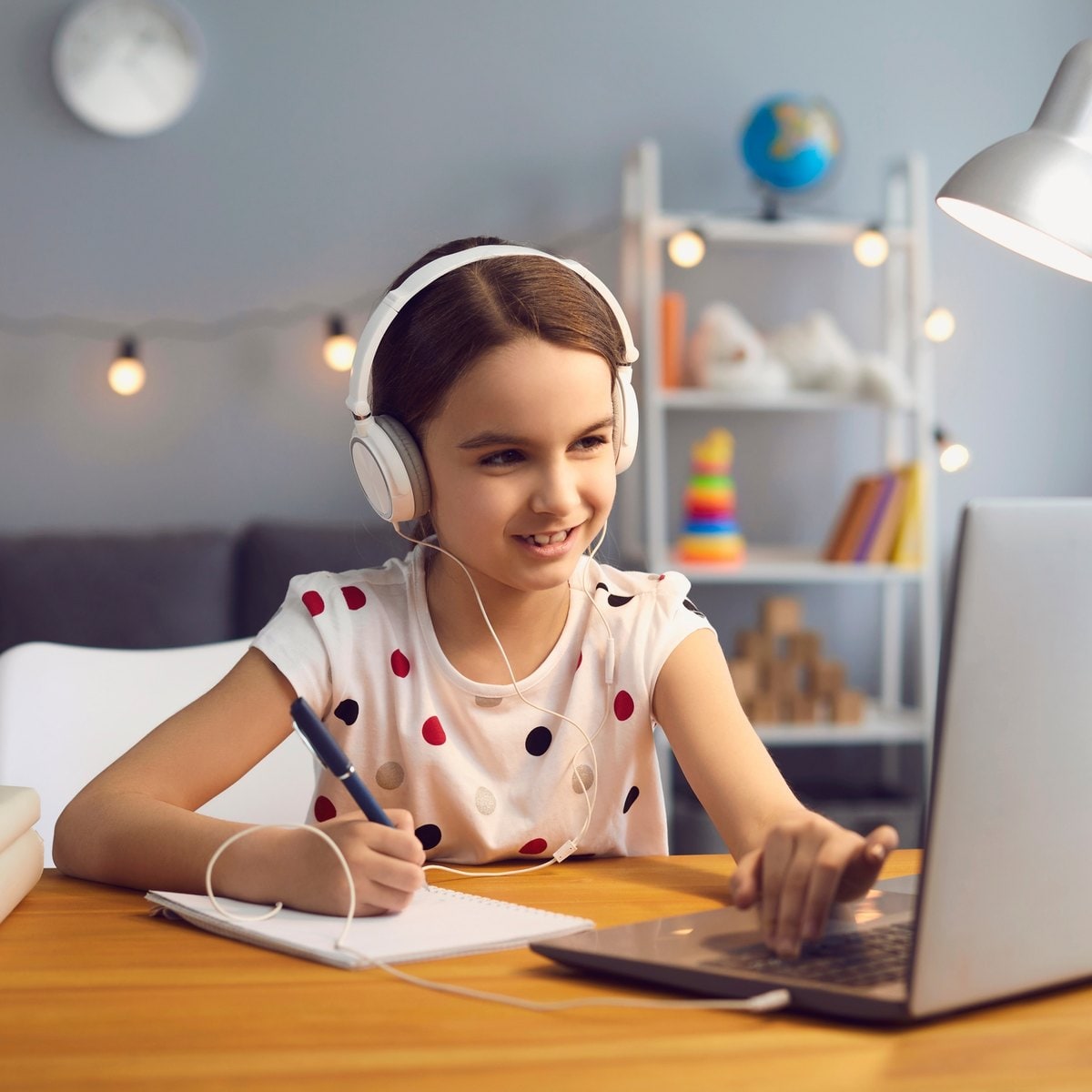
Screen time is one of the most contested topics in parenting today, generating more heat and less light than almost any other educational question. "Screens are damaging children's brains" sits alongside "screens are the future of education" in the same news cycle, leaving parents genuinely confused about what to do. The reality, as the research increasingly makes clear, is more nuanced than either extreme: the type of screen use matters enormously, the context matters, and the displacement effects (what screen time is replacing) matter as much as the screen time itself. Here is what the evidence actually shows.
The Research: What We Actually Know
The foundational piece of research in this area is a 2019 meta-analysis led by Dr. Jean Twenge at San Diego State University, reviewing data from over 500,000 children and adolescents across multiple countries. The headline finding, that excessive screen time is associated with lower wellbeing, higher rates of anxiety and depression, and reduced sleep quality, was widely reported. What was less widely reported: the association was significant only above a threshold of approximately 3–4 hours of recreational screen use per day, and the effect size was similar to (or smaller than) the negative effects of other common activities, including skipping breakfast.
A 2020 review from the Royal College of Paediatrics and Child Health in the UK examined 69 independent studies and reached a notably cautious conclusion: the evidence for harmful effects of screen time was not strong enough to support the rigid daily limits being advocated by many health bodies. They identified three key modifiers: the type of content, whether screens were being used socially or in isolation, and whether screen use was displacing sleep and physical activity.
The American Academy of Pediatrics revised its screen time guidance in 2016 (from a blanket "no screens under 2, 2 hours maximum for children") to a more nuanced framework based on these findings, acknowledging that interactive, educational, and social screen use has different effects than passive consumption, and that quality and context matter more than raw quantity for most children above age 2.
The Critical Distinction: Passive vs. Active Screen Use
The most important organising principle for parents is the distinction between passive/consumptive screen use and active/generative screen use. These are not just different activities, research shows they have measurably different effects on children's cognitive and emotional development.
Passive screen use is characterised by: consuming pre-produced content without engagement or interaction, receiving stimulation without making decisions, and content designed to maximise viewing time through variable reward mechanisms (the "autoplay next" function, the infinite scroll). This category includes: YouTube video streaming, social media browsing, many mobile games that are essentially slot machines with skins, and most streaming television. The concern about this category of screen use is well-founded, hours of passive consumption are associated with reduced attention span, sleep disruption (especially when devices are used in the hour before sleep), displacement of physical activity, and social comparison effects (particularly for adolescent girls using image-based social media).
Active/educational screen use is characterised by: generating output (creating, coding, writing, designing), making decisions (strategy games, problem-solving tools), learning through immediate feedback (well-designed educational apps, interactive platforms), and communicating with real people (video calling family, collaborative learning platforms). Research finds that children who use screens primarily for these purposes show no negative cognitive or wellbeing effects, and in several studies show positive outcomes in creativity, problem-solving, and communication compared to peers with lower screen use.
The practical implication: "how much screen time does my child have?" is the less important question. "What is my child doing with their screen time?" is the one that actually predicts outcomes.
The Displacement Effect: What Screen Time Replaces
The most consistent finding in the screen time research is about displacement: screen time becomes harmful primarily when it replaces activities that are highly valuable for children's development, physical activity, sleep, face-to-face social interaction, unstructured play, and reading. Screen time that supplements or enhances these activities (an educational app used alongside outdoor exploration, a video call with grandparents, a coding platform that complements in-school learning) does not show the same negative effects.
This reframes the parental conversation from "limiting screens" to "protecting high-value activities." Rather than setting an arbitrary hourly limit, the more effective approach is to ensure that physical activity, unstructured outdoor play, family meals without devices, and appropriate sleep duration are non-negotiable parts of the day, and that screen time fits into what remains, rather than competing with these foundations.
Practical Guidelines That Actually Work
Rather than hour-based limits (which are difficult to enforce and create the "forbidden fruit" effect that makes screens more desirable), the most effective approaches parents report centre on structure and substitution:
- Device-free zones and times: Bedrooms at night (consistent with all sleep hygiene research, blue light from screens at night measurably impairs melatonin production and sleep onset), meals (family conversation and relationship investment that screens reliably crowd out), and the hour before bed. These are non-negotiable in their application and the reason for them should be explained, not just imposed.
- The "earn it" structure for recreational screens: Homework, physical activity, reading, and a family interaction before recreational screen time. This is not punishment, it is prioritisation. The sequence itself communicates what matters, and children absorb this message even when they resist the structure.
- Active over passive: Actively prefer screen activities where your child is creating, learning, or communicating over ones where they are purely consuming. Replace YouTube rabbit holes with Scratch coding sessions. Replace passive mobile gaming with Minecraft (which requires genuine creative and strategic thinking). Replace Instagram browsing with FaceTime with cousins. These substitutions maintain connection to technology while shifting to activities with measurable developmental benefit.
- Co-viewing and engagement: Research consistently shows that the negative effects of television and video content are significantly reduced when a parent watches with the child and engages in conversation about what they're seeing. "What do you think will happen next?" "Is that realistic?" "Why did he make that choice?" This transforms passive viewing into active, scaffolded thinking, and it's also, frankly, more enjoyable for everyone.
The Real Goal: Digital Wisdom
The children who will navigate the technological world most effectively are not those who had the most restricted screen time in childhood. They are those who were helped to develop a genuine understanding of how screens affect them, which types of use leave them energised, creative, and connected, and which leave them depleted, irritable, and distracted.
This awareness, digital wisdom, can be cultivated from a young age. Ask your child after a screen session: "How do you feel right now compared to before?" "Do you feel like you made something, learned something, or connected with someone, or did the time just pass?" This reflective habit, built consistently over years, produces self-aware technology users who make their own good choices, which is a far more durable outcome than any externally imposed limit.